
"coffee farming decline"
1000 article(s) found

A brief introduction to the coffee farm in Papua New Guinea
The coffee industry plays an important role in the country's economy. 1 million people are directly and indirectly engaged in the industry. * * encourage planting by offering a minimum purchase price. The industry itself is controlled by the Coffee Industry Committee. The committee is located in Goroca, east of Mustard Island, but the export business is handled by private companies. After 1991, the quality gradually declined, and the European market was lost.
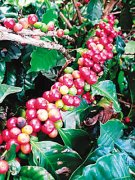
Papua New Guinea Coffee comes from small local farm boutique coffee.
The legendary background of modern coffee. In PapuaNewGuinea, about 75 per cent of coffee products come from small local farmers

Those declining coffee bean plantations
Editor's note: the world's most famous coffee shop, the use of coffee is carefully selected, there is a special attention. At present, many people like to make their own coffee, such as milk coffee, left-handed coffee and so on, which must be concerned about coffee beans. But do you know the growing base of coffee beans? Next, follow the editor to read the article! Haiti: a forgotten place

Description of the characteristics and taste of high-quality coffee beans in Jinchu Coffee Variety producing area in Kenya
There are two types of coffee farms in Kenya. One is a large plantation that covers an area of more than five acres, but the average elevation is low. In the case of Kenyan coffee, the coffee beans of the large farms are of medium quality. The best Kenyan beans come from small farms, most of which are located in the foothills or volcanic slopes above 5,000 to 6,000 feet. Each small farmer has a capacity of only 20 to 70 bags per season.

Tanzania Coffee Farm Tanzania Coffee Origin
Gourmet coffee is soft in acidity, inviting in aroma and an absolute value treat. Tanzania's coffee exports occupy an important position in the overall national economy. Bean berry coffee is produced in large quantities and is said to be stronger than regular coffee. Generally speaking, Tanzanian coffee beans are of exceptional quality. For example, near Kilimanja

The latest news of the world coffee industry: the decline of coffee cultivation in Costa Rica
According to the Costa Rican "financier" newspaper reported on December 14. The planting area of coffee in Colombia has decreased by 6.4% in the past 30 years. It was 89881 hectares in 1984 and only 84133 hectares remained in 2015. Coffee gardens have to give up their land to real estate, especially in metropolitan areas. At the same time, the changes in coffee prices in the world have gradually reduced the profits of coffee cultivation, which are all placed on the main side of the coffee garden.

Flavor and taste characteristics of coffee varieties in Jinchu Valley, Kenya: introduction to high-quality coffee beans
On an international scale, the increase in the number of Kenyan coffee is obvious, with exports of 800000 bags in 1969-1970 and increased to 2 million bags in 1985-1986. The general yield is stable at 1.6 million bags, with an average yield of about 650kg per hectare. Even before coffee prices skyrocketed, the average price of coffee in Kenya had been rising. 1993 Murray-1994 price comparison of 12 months

About 75% of Papua New Guinea's coffee products come from small local farms.
The legendary background of modern coffee in Papua New Guinea is in Papua New Guinea (Papua New Guinea), where about 75% of coffee products come from small local farmers.

Countermeasures for the decline of Coffee Market Price
Recently, I visited individual coffee farms that were well made. They were still able to buy fresh coffee fruits at a price of 3 yuan. After carefully analyzing their production situation, I found several important measures to share with coffee producers:

Tanzanian coffee characteristics Tanzanian coffee origin
There are two types of coffee farms in Kenya. One is a large plantation covering more than five acres, but the average elevation is lower. For Kenya coffee, the coffee beans of the large farm are only moderate in quality. The best Kenyan beans are grown on small farms, mostly in the foothills or firehills above five or six thousand feet. Each small farmer can produce only about 20 to 70 bags per season.

Introduction to the Flavor description Price of Tanzania's Fine Coffee beans
The national average annual output of wheat is 70, 000 tons, and the largest wheat production unit is the HANNANG wheat complex, which is composed of several farms with a total planting area of 4000 hectares. These farms are located in the Hannang district of Arusha and are all autonomous subsidiaries of NAFCO. In the 1970s, NAFCO developed and operated these farms with the help of the Canadian International Development Agency (CIDA)

Small organic farms in Papua New Guinea grow island coffee style
Boutique coffee (specialty coffee) is also called specialty coffee selection coffee. It refers to coffee made from a small number of raw beans with excellent taste grown in an ideal geographical environment. Depending on the special soil and climatic conditions in which they grow, they have outstanding flavor. After strict selection and classification, this kind of coffee is hard in texture, rich in taste and stylish.

Introduction to the flavor and taste characteristics of the first-class Lindong coffee farm in Sumatra, Indonesia
The Lindong producing area is located next to the famous tourist area LAKE TOBA (Lake dopa) in Sumatra, where the elevation is 1400-1800, and the tree species are Jember, Garundang Typica and Ateng. Once upon a time, Lindong's coffee was famous, but now coffee farmers there have added new tree species to promote the harvest time and yield of coffee, resulting in a decline in the quality of coffee.

Rich aroma of Kenyan boutique coffee flavor and taste characteristics of Kenyan coffee
Kenya there are two types of coffee farms in Kenya. One is a large plantation covering an area of more than five acres, but the average elevation is low. In the case of Kenyan Coffee, the coffee beans of the large farms are of medium quality. The best Kenya beans are produced in small farms, most of which are located in the foothills or volcanic slopes above 5,000 to 6,000 feet. Each small farmer has a capacity of only 20 to 70 bags per season.

Blue Mountain No. 1, the king of boutique coffee must be mentioned.
Jamaica's Blue Mountain No. 1 coffee bean is the most well-known coffee. It is also one of the most popular coffee for black coffee lovers. Together with Kona of Hawaii, he is called the king and queen of the coffee industry. It is the masterpiece of Island Coffee and a classic representative. Although, due to the sudden increase in production and negligence in quality control, climate change has led to some declining trends in Blue Mountain Coffee in recent years, but the No. 1 King of Blue Mountains in Jamaica
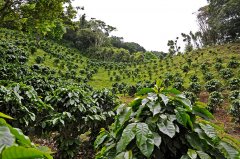
About 75% of Papua New Guinea's coffee products come from small local farms.
Coffee made from fine coffee beans. Now the coffee is mainly made by hand-brewing coffee to give full play to the flavor of the coffee bean itself. Boutique coffee does not have a bad effect on people's health, but drinking it in moderation is beneficial. In PapuaNewGuinea, about 75 per cent of coffee products come from small local farmers

How about Ugandan Coffee? Ugandan coffee features introduction to Ugandan coffee beans
Professional coffee knowledge exchange more coffee bean information follow coffee workshop (Wechat official account cafe_style) Uganda does not hesitate to put illegal farmers in jail in order to improve the quality of coffee beans, but experts believe that the goal can only be achieved by introducing farming programs, education and other incentives. Coffee beans are an important export commodity of Uganda, but they have been dragged down by the decline in commodities in recent years.

Kenya Coffee production area introduces Berman Manor Kenya Coffee Bean Manor Kenya aa
There are two types of coffee farms in Kenya. One is a large plantation that covers an area of more than five acres, but the average elevation is low. In the case of Kenyan coffee, the coffee beans of the large farms are of medium quality. The best Kenyan beans come from small farms, most of which are located in the foothills or volcanic slopes above 5,000 to 6,000 feet. Each small farmer has a capacity of only 20 to 70 bags per season.

Columbia Rosa Hope Manor Coffee Bean Flavor Cerro Asur cerrohuila
Colombia's Hope Manor Coffee survived and won the second place in the American boutique Coffee Association's annual World Coffee Competition in 2012, along with the rosy summers of the other two estates of Hope Manor. A total of three places in the top 10: second, third and seventh, creating an incredible treble. I hope the manor is different from other manors.

Coffee producing area of Papua New Guinea, an European coffee producing country
After 991, the quality gradually declined, and the European market was lost with it.